


How to Choose the Right Security Cameras for your Home?
Choosing the right security cameras for your home is an important step in protecting your family, property and belongings. A well-designed CCTV system can help deter unwanted activity, provide clear video evidence and allow you to keep an eye on your home even when you are away.
With so many camera styles, resolutions, brands and storage options available, it can be difficult to know where to start. This guide explains the key things to consider when choosing security cameras for your home.

1. Understand What You Want to Protect
Before choosing a camera, think about the areas of your home that need coverage. Different locations may require different camera styles, lens types and night vision capabilities.
Common areas to monitor include:
- Front doors and entryways
- Driveways and garages
- Side access paths
- Backyards and outdoor entertaining areas
- Gates and fences
- Internal entry points or hallways
- Sheds, workshops or detached garages
It is also important to decide whether you mainly want a visible deterrent, clear identification footage, remote viewing, night-time monitoring or all of the above.
2. Choose the Right Camera Style
Security cameras come in different styles, and each one suits a different purpose. Choosing the right camera style helps improve coverage and ensures the system looks suitable for your home.
Dome Cameras
Dome cameras are popular for homes because they have a neat, low-profile design. They are suitable for verandas, entry areas, garages, patios and indoor locations.
Bullet Cameras
Bullet cameras are more visible and can act as a strong deterrent. They are often used for driveways, side paths, sheds and external walls where a clear security presence is preferred.
Turret Cameras
Turret cameras are a practical all-round option for many homes. They are easy to position, provide strong image quality and are commonly used for outdoor residential CCTV installations.
PTZ Cameras
PTZ cameras can pan, tilt and zoom, making them suitable for larger areas where flexible coverage is required. They are often used for larger properties, long driveways, yards or commercial-style home security setups.
3. Consider Image Quality and Resolution
Image quality is one of the most important features of any CCTV camera. Higher resolution cameras can capture more detail, which may help identify people, vehicles, number plates or activity around your home.
For most homes, a minimum of 1080p is recommended. Many customers now choose higher-resolution options such as 4MP, 6MP or 8MP security cameras for clearer footage.
When browsing cameras, use the megapixel filters in our security surveillance camera collection to help choose the resolution that suits your property.
4. Make Sure You Have Good Night Vision
Many security incidents happen at night, so night vision is essential for home CCTV. Look for cameras with infrared night vision, low-light colour technology or smart illumination depending on the area being monitored.
For darker areas such as driveways, side paths and backyards, check the night vision range before choosing a camera. A camera that works well during the day may not provide enough visibility at night if the infrared range is too short.
5. Check the Field of View
A camera’s field of view determines how much area it can capture. A wide-angle lens can cover more of the scene, while a narrower lens may provide more detail over a specific area.
For example, a wide-angle camera may be suitable for a front porch or backyard, while a more focused camera may be better for a driveway, gate or entry point where identification is important.
6. Decide Between Wired and Wireless Cameras
Wired CCTV cameras are generally the preferred option for long-term reliability. They are connected by cable to a recorder or network device, providing stable video transmission and power depending on the system type.
Wireless cameras may be easier to install in some situations, but they rely on Wi-Fi strength, power availability and network stability. For a permanent home security system, a professionally installed wired CCTV system is often the stronger choice.
7. Think About Storage and Recording
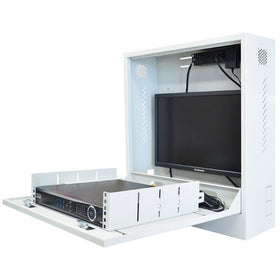
Your security cameras need somewhere to store footage. The most common option for a home CCTV system is a network video recorder, also known as an NVR.
An NVR allows your cameras to record continuously or when motion is detected, depending on how the system is configured. Storage capacity will depend on the number of cameras, resolution, frame rate and how many days of footage you want to keep.
Cloud storage may also be available on some systems, but local NVR recording is still a popular choice for homeowners who want reliable storage and easy playback.
8. Look for Remote Viewing and App Access
Modern CCTV systems often allow remote viewing through a smartphone app. This means you can check live camera footage, review recordings and receive alerts when activity is detected.
Remote access is useful when you are at work, travelling, checking on deliveries or wanting extra peace of mind while away from home.
9. Choose Cameras with Smart Detection Features
Smart detection can help reduce unnecessary alerts and make your CCTV system more useful. Depending on the camera model and recorder, features may include:
- Human detection
- Vehicle detection
- Line crossing detection
- Motion alerts
- Active deterrence with lights or sirens
- Two-way audio on selected models
These features can help your system focus on the activity that matters, rather than sending alerts for every moving tree branch, shadow or passing animal.
10. Consider Professional CCTV Installation
Camera placement is just as important as the camera itself. Poor positioning can lead to blind spots, glare, weak night vision or footage that is not useful when you need it.
A professional installer can help position cameras correctly, run cabling neatly, configure the recorder, set up remote viewing and ensure the system is working properly. CTC Communications offers CCTV installation services to help homeowners get the best result from their security system.

11. Set a Realistic Budget
CCTV pricing can vary depending on camera resolution, brand, recorder size, storage capacity, smart features and installation requirements. The cheapest camera is not always the best choice if it does not provide clear footage, reliable recording or suitable night vision.
The best approach is to choose a system that matches your property, security needs and long-term expectations. CTC Communications can assist with product advice and customised CCTV solutions to suit your home and budget.
12. Choose a Trusted CCTV Brand
Choosing a trusted brand helps ensure better product support, firmware updates, compatibility and long-term reliability. CTC Communications supplies a wide range of leading CCTV brands, including:

Final Thoughts
Choosing the right security cameras for your home comes down to understanding your property, your risks and the level of visibility you need. The right CCTV system should provide clear footage, reliable recording, strong night vision, suitable camera placement and easy access when you need to review video.
By considering camera style, resolution, night vision, field of view, storage, remote viewing, installation and budget, you can choose a system that gives your home stronger protection and greater peace of mind.
Need Help Choosing Home Security Cameras?
CTC Communications can help you choose the right CCTV cameras, recorder and installation options for your home.
Request A QuoteFrequently Asked Questions
What type of security camera is best for home use?
The best security camera depends on the area being monitored. Turret and dome cameras are popular for general home use, while bullet cameras are often used as a visible deterrent for driveways, side paths and outdoor areas.
How many security cameras do I need for my home?
This depends on your property layout. Many homes start with cameras covering the front door, driveway, side access and backyard. Larger properties may need additional cameras for garages, sheds, gates or blind spots.
Is 4K CCTV worth it for home security?
4K CCTV can be worthwhile if you need clearer detail over larger areas or want improved image quality for identification. For smaller areas, 4MP or 6MP cameras may still provide excellent results.
Should I choose wired or wireless security cameras?
Wired cameras are generally more reliable for permanent CCTV systems because they provide a stable connection. Wireless cameras can be useful in some situations but depend on Wi-Fi strength and power availability.
Can I view my home security cameras on my phone?
Yes. Many modern CCTV systems allow remote viewing through a smartphone app, giving you access to live footage, playback and alerts when the system is correctly configured.