


Ultimate CCTV Installation Guide for Homeowners

Installing CCTV at home is one of the best ways to improve security, deter intruders, and monitor key areas such as your front door, driveway, garage, and backyard. The best home CCTV setup depends on choosing the right camera style, placing cameras correctly, and deciding whether a wired or wireless system suits your property. For most homeowners, a well-planned CCTV system offers better visibility, stronger deterrence, and valuable recorded footage if an incident occurs.
At CTC Communications, we help Sydney homeowners choose and install reliable CCTV systems designed for practical, everyday protection. Whether you are comparing wired and wireless cameras, planning your first security system, or upgrading an older setup, this guide explains what you need to know to make the right decision.
Why Install CCTV at Home?
Home security cameras do more than just record incidents. A properly installed CCTV system can help deter suspicious behaviour, improve visibility around vulnerable areas, and provide important footage if an incident occurs. For many homeowners, CCTV also adds convenience by allowing them to check in on their property remotely through a smartphone app.
Whether you live in a suburban home, townhouse, duplex, or acreage property, CCTV can add an extra layer of protection to your home security strategy.

Which CCTV Cameras Are Best for Home Security?
Choosing the right CCTV cameras starts with understanding the main types available and how they suit different parts of a home.
Dome Cameras
Dome cameras are a popular option for both indoor and outdoor surveillance. Their compact and discreet shape makes them less visually intrusive, while many models are also vandal-resistant. They are well suited to entryways, under eaves, alfresco areas, and indoor hallways.
Bullet Cameras
Bullet cameras are ideal when you want visible deterrence and longer viewing range. Their shape makes them suitable for monitoring driveways, side access paths, front yards, and backyards. Many outdoor bullet cameras are weather-resistant and designed for clear long-distance viewing.
Turret Cameras
Turret cameras are a favourite for many modern homes because they offer strong image quality, flexible mounting angles, and less infrared glare compared to some dome styles. They are commonly used around external walls, patios, and general perimeter areas.
PTZ Cameras
PTZ cameras, or Pan-Tilt-Zoom cameras, allow remote movement and zoom control. These are usually better suited to larger residential blocks, luxury homes, or specialised applications where broad area coverage is needed from a single camera.
What Features Should Homeowners Look For?
Not all home security cameras are created equal. The best CCTV camera for your property will depend on the layout of your home, lighting conditions, and how detailed you need your footage to be.
Important features to consider include: how to choosing the right network video recorder nvr
- High resolution for clearer facial and vehicle detail
- Night vision or low-light performance for after-dark coverage
- Motion detection and smart alerts
- Remote viewing via smartphone app
- Weather resistance for outdoor cameras
- Audio capability where appropriate
- AI detection for human and vehicle filtering
For many homeowners, a modern IP camera system provides the best mix of image quality, app control, and future-ready performance.

How Do You Install a Home CCTV System?
Installing a home CCTV system involves more than simply mounting cameras to the wall. A reliable installation should take into account coverage, cable routes, recording setup, and ease of ongoing use.
Step 1: Identify the Areas You Want to Protect
Start by identifying the most important areas around your home. These usually include:
- Front door
- Driveway
- Garage
- Backyard
- Side access paths
- Rear doors and sliding doors
Think about where a person could enter the property, approach unseen, or access vehicles and valuables.
Step 2: Choose the Right Camera Type for Each Location
Different parts of a property may need different cameras. For example, a bullet camera might suit a driveway, while a dome or turret camera might be better under the eaves near the front entry. Matching the right camera style to each location improves performance and aesthetics.
Step 3: Decide Between Wired and Wireless CCTV
Wired CCTV systems are often preferred for reliability and stable recording, especially for permanent home security installations. They are commonly connected to an NVR or DVR and provide dependable long-term performance.
Wireless security cameras can offer greater flexibility in placement and may be easier to install in some areas, but they rely heavily on strong Wi-Fi coverage and suitable power access. They are often a good solution for specific spots where running cable is difficult.
Step 4: Install Cameras Securely
Cameras should be mounted firmly and positioned carefully to avoid blind spots, glare, and unnecessary obstructions. Outdoor cameras should be installed high enough to reduce tampering, but low enough to still capture useful facial detail.
Step 5: Connect Recording and Remote Viewing
Once the cameras are mounted, the system should be connected to the recorder and configured for playback, motion detection, and remote access. This step is essential for making sure the system is not only recording, but also easy to use when needed.
Step 6: Test Every Camera Angle
Before finalising the installation, test each camera during both the day and night. Make sure faces are visible where needed, entry points are covered, and lighting conditions do not wash out the image.
What Tools and Accessories Are Needed?
The exact tools required will depend on whether the system is wired or wireless, but common installation items include: installation guides.
- Drill and drill bits
- Screwdrivers
- Ladder
- Mounting screws and anchors
- Ethernet cable or coaxial cable
- Power supplies or PoE equipment
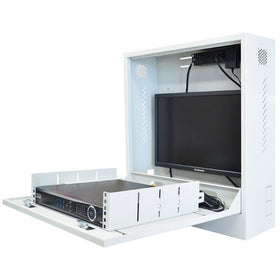
- NVR or DVR recorder
- Monitor or app setup access
Professional installation can help avoid issues such as poor camera angles, unstable recordings, inadequate storage, or weak Wi-Fi coverage.

Where Should Security Cameras Be Placed for Best Coverage?
Camera placement is one of the most important parts of a successful CCTV installation. Even a high-quality security camera can underperform if it is pointed in the wrong direction or mounted too high.
Front Door
Your front door is one of the highest priority areas. A camera here helps capture anyone approaching the home, deliveries being dropped off, and activity near the entry.
Driveway and Garage
Driveways are essential to monitor for vehicle access, movement, and suspicious activity. A well-positioned camera can also help capture number plates or identify people entering the property.
Backyard and Rear Access Points
Rear doors, backyards, and side gates are often more vulnerable because they are less visible from the street. These areas should be covered wherever possible.
Side Paths and Blind Spots
Side access paths, narrow walkways, and blind corners are commonly overlooked. Placing cameras here can help close gaps in coverage.
Indoor Entry Zones
Some homeowners also install cameras inside the home facing key entry or transition areas, particularly near the front entry, rear access, or internal garage door.

How High Should Home Security Cameras Be Installed?
As a general guide, outdoor home security cameras are often mounted around 2.5 to 3 metres high. This can help balance visibility and tamper resistance. If a camera is too low, it may be easier to interfere with. If it is too high, you may lose useful facial detail.
The correct height depends on the area being monitored, the lens being used, and the angle required.
Are Wireless CCTV Systems Better for Homes?
Wireless CCTV systems can be a good option where flexibility is important, but they are not automatically better than wired systems.
Wireless cameras are useful when:
- Running cable is difficult
- You need faster installation in a specific area
- You want to add coverage to a shed, gate, or detached space
Wired systems are usually better when:
- You want stable long-term performance
- You are installing multiple cameras
- You want consistent recording quality
- You are building or renovating and can run cable easily
For many full-home CCTV systems, wired IP cameras remain the preferred solution for reliability and image quality.
Do You Need Permission to Install CCTV Cameras at Home in Australia?
In general, homeowners in Australia can install CCTV cameras on their own property for personal security purposes. However, there are important privacy considerations to keep in mind.
Your cameras should be positioned to monitor your property, not private areas inside a neighbour’s home or places where people would reasonably expect privacy. Audio recording rules can also be more restrictive than video recording, depending on the state or territory.
If you are engaging a security installer, licensing requirements may apply to the business performing the work. This is one reason why many homeowners prefer to use an experienced professional installer.
How Can Homeowners Stay Privacy Compliant?
To reduce privacy concerns and support responsible use of CCTV:
- Aim cameras at your own property boundaries and access points
- Avoid recording neighbouring private spaces where possible
- Use signage where appropriate
- Check state-based rules if audio recording is enabled
- Store recorded footage securely
If you are unsure, professional advice can help you plan a system that protects your home without creating unnecessary privacy issues.
Should You Install CCTV Yourself or Use a Professional?
DIY CCTV installation can work for some smaller systems, especially simple wireless setups. However, professional installation is often the better choice when you want the system positioned properly, recorded reliably, and configured for the best long-term performance.
A professional installer can help with:
- Camera selection
- Correct lens and angle choice
- Cable routing and neat mounting
- Recorder setup and storage optimisation
- Remote viewing configuration
- Advice tailored to your property layout
This can save time, avoid blind spots, and help ensure your CCTV system performs properly when you need it most.
Why Homeowners Choose CTC Communications
CTC Communications has been helping Sydney homeowners protect their properties with professional security solutions since 1993. We supply and install quality CCTV systems backed by trusted brands, practical advice, and local experience.
Whether you need a basic home camera system, a smarter IP surveillance setup, or help comparing the best security cameras for your property, our team can guide you to the right solution.
Speak with CTC Communications About Home CCTV Installation
If you are planning a home CCTV installation and want expert advice, CTC Communications can help you choose the right cameras, recorder, and layout for your property.
We provide tailored CCTV solutions for homes across Sydney, with professional installation and support to help you secure your home with confidence.
FAQs
What is the best CCTV camera for a home?
The best CCTV camera for a home depends on the area you want to monitor, your budget, and whether you want features such as night vision, remote viewing, and smart motion alerts. For many homeowners, IP cameras are a strong choice because they offer high image quality and easy app access.
Where should I install CCTV cameras around my house?
The best places to install CCTV cameras are the front door, driveway, garage, backyard, side access points, and any rear entry doors. These areas are common entry points and often provide the most valuable coverage.
Is wired or wireless CCTV better for home security?
Wired CCTV is usually better for long-term reliability and stable recording, especially for full-home systems. Wireless CCTV can be useful where cable runs are difficult or where you want flexible camera placement in smaller areas.
Do home CCTV cameras need internet?
Not always. A CCTV system can still record locally without internet if it is connected to an NVR or DVR. However, internet access is usually needed if you want remote viewing, smartphone alerts, or cloud-based features.
Can I install CCTV cameras at home myself?
Yes, many homeowners can install basic CCTV systems themselves, especially wireless kits. However, professional installation is often the better option for wired systems, larger homes, and setups where camera angle, storage, and coverage need to be carefully planned.
Is it legal to install CCTV at home in Australia?
Yes, in most cases homeowners can install CCTV cameras on their own property for personal security. You should still consider privacy laws, avoid filming neighbouring private areas where possible, and be cautious with audio recording features.
How many CCTV cameras does a house need?
The number of cameras depends on your property size and layout. Many homes start with cameras covering the front door, driveway, backyard, and side access. Larger homes may need additional cameras for garages, rear doors, or internal entry points.
Do security cameras really deter burglars?
Security cameras can act as a strong visual deterrent, especially when they are clearly visible and professionally installed. They also provide recorded footage that can help identify incidents and support police investigations if needed.