


Understanding Smart Home Security Camera Systems
Understanding Smart Home Security Camera Systems: A Guide to Home Security Cameras and Installation

Smart home security camera systems have revolutionized the way homeowners protect their properties. These advanced surveillance solutions offer features that enhance safety and provide peace of mind. In this guide, we will explore the functionality, benefits, and installation of smart home security cameras, focusing on how they work and the various types available. Many homeowners face challenges in choosing the right security system that meets their needs. This article aims to provide clarity on these systems, including insights into professional installation and maintenance requirements. We will also discuss the costs associated with smart security systems and how to maintain them effectively.
Beyond the immediate benefits and practical considerations, the design and implementation of smart home cameras also raise important discussions around privacy and security.
Smart Home Camera Privacy, Security & Design Analysis
use RtD to design smart home cameras that amplify concerns of privacy and security. We build on prior work that has integrated a range of methods and studies: design analysis of current smart home cameras.
Sensor illumination: Exploring design qualities and ethical implications of smart cameras and image/video analytics, J Pierce, 2020
What Are Smart Home Security Cameras and How Do They Work?
Smart home security cameras are advanced surveillance devices designed to monitor and protect residential properties. They operate using internet connectivity, allowing users to access live feeds and recorded footage remotely via smartphones or computers. These cameras typically feature motion detection, night vision, and two-way audio, enhancing their functionality and user experience. The primary benefit of smart security cameras is their ability to provide real-time alerts and evidence in case of incidents, significantly improving home safety.
Key Features of Wireless Security Cameras for Home Use
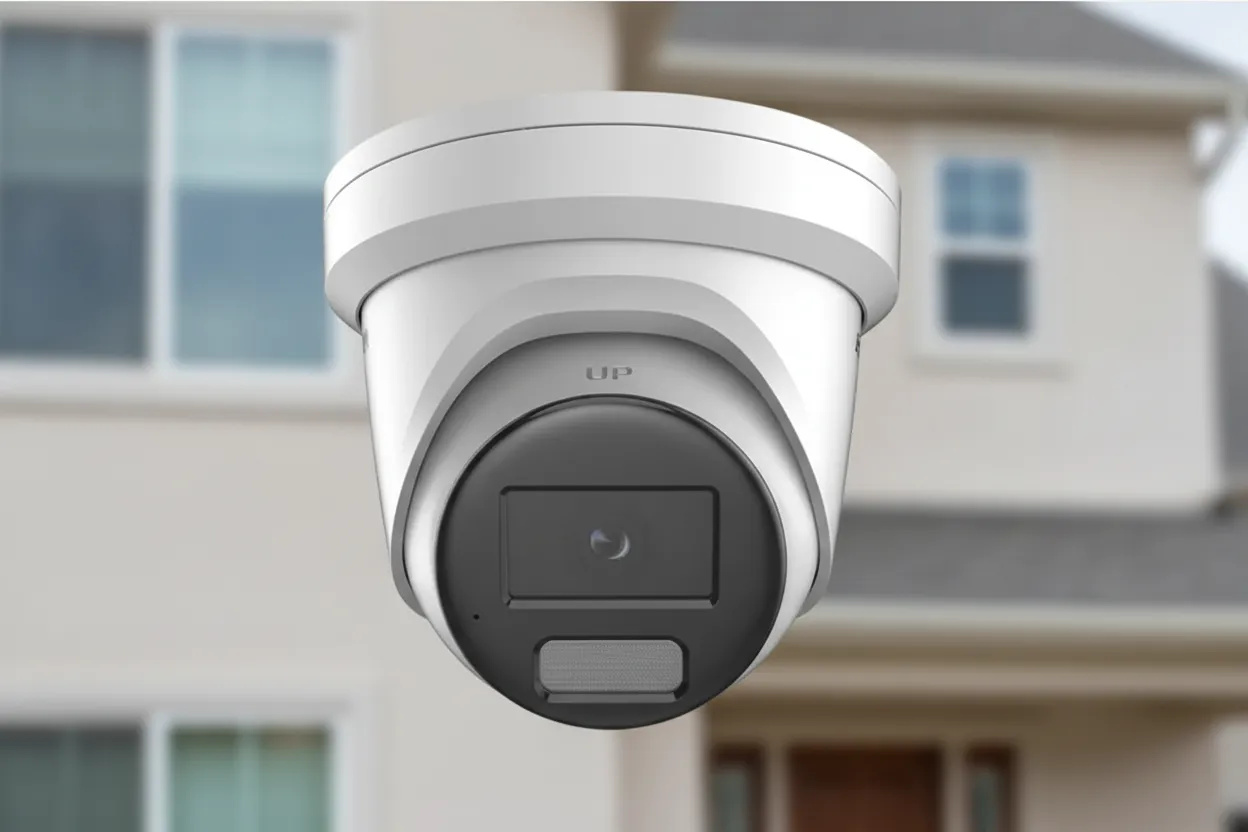
Wireless security cameras offer several advantages for homeowners.
- Wireless Connectivity: These cameras eliminate the need for extensive wiring, making installation simpler and more flexible.
- Ease of Installation: Most wireless models can be set up quickly without professional help, allowing homeowners to position them in optimal locations.
- Remote Access Capabilities: Users can monitor their homes from anywhere, receiving alerts and viewing live footage through mobile apps.
These features make wireless security cameras a popular choice for modern home security solutions.
How Smart Security Systems Enhance Home Safety
Smart security systems significantly enhance home safety by deterring potential intruders and providing critical evidence in case of a break-in.
- Crime Deterrence: The presence of visible cameras can discourage criminal activity, as potential intruders are less likely to target homes with security systems.
- Evidence Gathering: In the event of a crime, recorded footage can serve as vital evidence for law enforcement.
- Peace of Mind: Homeowners can feel more secure knowing they can monitor their property in real-time, reducing anxiety about potential threats.
These benefits underscore the importance of integrating smart security systems into home safety strategies.
Which Types of CCTV Camera Systems Are Best for Your Home?
When selecting a CCTV camera system, homeowners must consider various options to find the best fit for their needs. The two primary types of systems are wired and wireless, each with its own advantages and disadvantages.
Comparing Wired and Wireless Security Camera Options
Wired security cameras are typically more reliable in terms of connectivity and power supply, but they require professional installation and can be more expensive. In contrast, wireless cameras are easier to install and reposition but may face connectivity issues depending on the home’s Wi-Fi strength.
- Installation Requirements: Wired systems need extensive cabling, while wireless systems can be set up with minimal effort.
- Cost Differences: Wired systems often incur higher installation costs, while wireless options may have lower upfront costs but could require ongoing subscription fees for cloud storage.
- Performance Metrics: Wired cameras generally offer better video quality and reliability, while wireless cameras provide flexibility and ease of use.
Benefits of Hikvision CCTV Surveillance Systems
Hikvision CCTV systems are renowned for their reliability and advanced features.
- Reliability and Quality: Hikvision cameras are built to withstand various environmental conditions, ensuring consistent performance.
- Smart Features Offered: These systems include features like HD video, remote access, and advanced motion detection, enhancing their effectiveness.
- Customer Satisfaction: Many users report high levels of satisfaction due to the quality and performance of Hikvision products.
These benefits make Hikvision a preferred choice for homeowners seeking robust security solutions.
How Does Professional Security Camera Installation Improve System Performance?
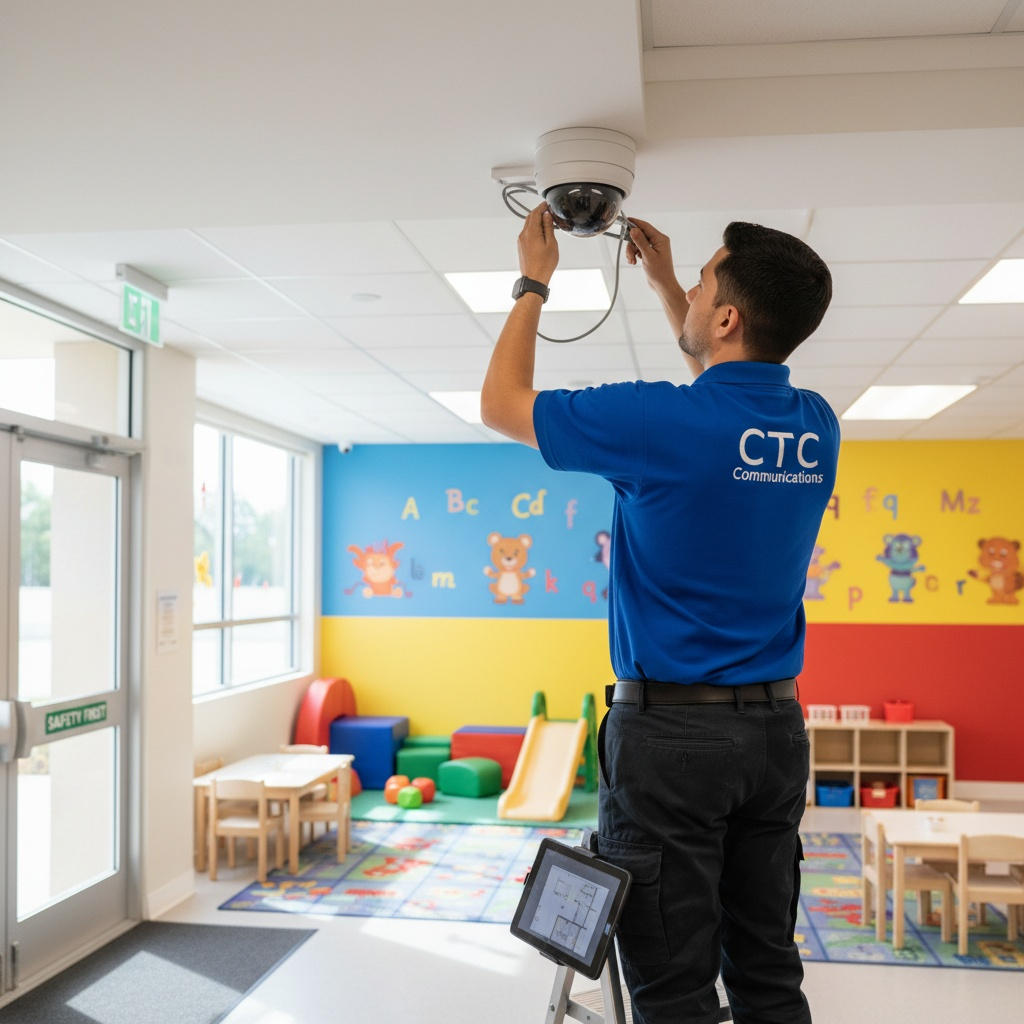
Professional installation of security camera systems can significantly enhance their performance and effectiveness.
- Benefits of Professional Installation: Experts ensure that cameras are positioned optimally for maximum coverage and effectiveness, reducing blind spots.
- Common Mistakes in DIY Installations: Many homeowners may overlook critical factors such as camera angles and lighting, which can compromise system performance.
- Long-Term Performance Improvements: Proper installation can lead to fewer maintenance issues and better overall functionality of the security system.
Investing in professional installation can provide peace of mind and ensure that the system operates at its best.
Indeed, the complexities of setting up such systems often highlight the challenges inherent in do-it-yourself installations, as noted by various studies.
DIY Smart Home Camera Installation & Challenges
smart home experiment faced another technical challenge when setting up a wireless camera system in a smart home: installation, configuration, and integration. A DIY like this one will help the user to learn more about smart home systems.
Lessons and experiences of a DIY smart home, R Abdallah, 2017
Step-by-Step Installation Process for Smart Home Cameras
Installing smart home cameras involves several key steps:
- Preparation Steps: Assess the property to determine the best locations for camera placement, considering factors like coverage and accessibility.
- Installation Tips: Follow the manufacturer's instructions carefully, ensuring that all components are securely mounted and connected.
- Post-Installation Checks: Test the system thoroughly to confirm that all cameras are functioning correctly and that the video feed is clear.
Following these steps can help ensure a successful installation process.
Further delving into the technical aspects, understanding the camera sensor's capabilities and limitations is crucial for those undertaking DIY smart home projects.
DIY Smart Home Camera Sensor Potential & Challenges
Here, we assess the five characteristics of the camera sensor as well as the potential and challenges of utilizing the camera sensor in the DIY smart home environment.
Potential and Challenges of DIY Smart Homes with an ML-intensive Camera Sensor, S Yun, 2023
Requesting Installation Service Quotes from Trusted Providers
When seeking professional installation services, it’s essential to request quotes from multiple providers.
- What to Include in a Quote Request: Specify the type of cameras and the number of units needed, along with any specific installation requirements.
- Questions to Ask Potential Providers: Inquire about their experience, warranty options, and post-installation support.
- Comparing Quotes Effectively: Evaluate the quotes based on price, services offered, and customer reviews to make an informed decision.
This approach can help homeowners find reliable installation services that meet their needs.
What Are the Costs and Maintenance Requirements for Smart Security Systems?
Understanding the costs associated with smart security systems is crucial for homeowners planning to invest in these technologies.
- Overview of Costs Associated with Different Systems: Initial costs can vary widely based on the type of system, brand, and features. For instance, basic wireless cameras may start at around $100, while advanced systems can exceed $1,500.
- Maintenance Tips for Longevity: Regularly check camera functionality, clean lenses, and update software to ensure optimal performance.
- Common Issues and Troubleshooting: Be aware of potential issues such as connectivity problems or software glitches, and know when to seek professional help.
These insights can help homeowners budget effectively and maintain their security systems.
Understanding Pricing Options for Home Security Cameras
The pricing structure for home security cameras can vary significantly based on features and technology.
| Camera Type | Price Range | Key Features |
|---|---|---|
| Basic Wireless Cameras | $100 - $300 | HD video, motion detection, mobile access |
| Advanced Wireless Systems | $300 - $800 | Night vision, two-way audio, cloud storage |
| Wired CCTV Systems | $500 - $1,500 | High-resolution video, reliable connectivity, professional installation |
This table illustrates the range of options available, helping homeowners make informed decisions based on their budget and security needs.
Tips for Maintaining and Troubleshooting Your Security Cameras
Proper maintenance is essential for ensuring the longevity and effectiveness of security cameras.
- Regular Maintenance Practices: Schedule routine checks to clean lenses and verify that all components are functioning correctly.
- Troubleshooting Common Problems: Familiarize yourself with common issues, such as connectivity problems or software updates, to address them promptly.
- When to Seek Professional Help: If persistent issues arise, consider consulting a professional to diagnose and resolve complex problems.
By following these tips, homeowners can ensure their security systems remain effective over time.