


Best Practices for Setting Up a Home CCTV System in Australia
Installing a home CCTV security system is one of the most effective ways to protect your family and property. But to get the most out of your setup, careful planning and smart implementation are essential. Follow these expert-recommended practices to ensure your system works reliably and complies with Australian laws.

🔍 1. Assess Your Security Needs
Evaluate entry points, blind spots, and external risks like vandalism or theft. Consider whether you need 24/7 monitoring or motion-activated alerts.
📝 Related: The Importance of CCTV for Home Security »
🎥 2 Choose the Right Cameras:
Select cameras based on:
-
Resolution (HD or 4K)
-
Night vision (including full-colour night vision)
-
Indoor vs outdoor use
-
Field of view & IP rating
📝 Related: Top Factors to Consider When Choosing Security Cameras »
📐 3. Plan Your Camera Placement
Position cameras to cover front doors, backyards, driveways, and side access points. Avoid overlapping blind spots and ensure proper lighting.

🔒 4. Respect Privacy
Focus cameras only on your property. Avoid pointing them at neighbouring homes, shared spaces, or public footpaths to stay compliant with privacy laws.
🛠️ 5. Securely Mount Cameras
Mount at least 2.5 metres high to prevent tampering. Use weatherproof fittings and secure all brackets for outdoor installations.

💾 6. Set Up Recording and Storage
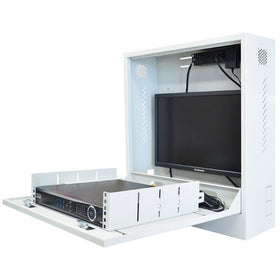
Use an NVR or DVR system with adequate storage. Consider:
-
PoE IP cameras for ease of wiring
-
External hard drives or cloud backup
-
Scheduled or motion-triggered recording
🌐 7. Enable Remote Access
Set up mobile viewing via apps like Hik-Connect. Always use strong passwords and enable two-factor authentication for remote access.
✅ 8. Test and Maintain
-
Check angles and clarity
-
Fine-tune motion sensitivity
-
Schedule maintenance to clean lenses and check power supply
⚖️ 9. Know the Legal Requirements
Make sure your setup complies with state-specific laws. In most cases, signage is required to indicate CCTV use. Never record in private or shared areas without consent.
👪 10. Inform Household Members
Ensure everyone understands how the system works, what’s being monitored, and how to respect privacy. Create basic usage rules for shared access.
✅ Conclusion
With the right setup, a CCTV system can provide 24/7 protection, improve safety, and give you complete peace of mind. Follow these best practices to ensure your home security is both effective and lawful.